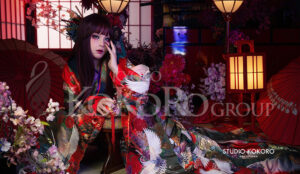
What is an Oiran?-Cultural Introduction-
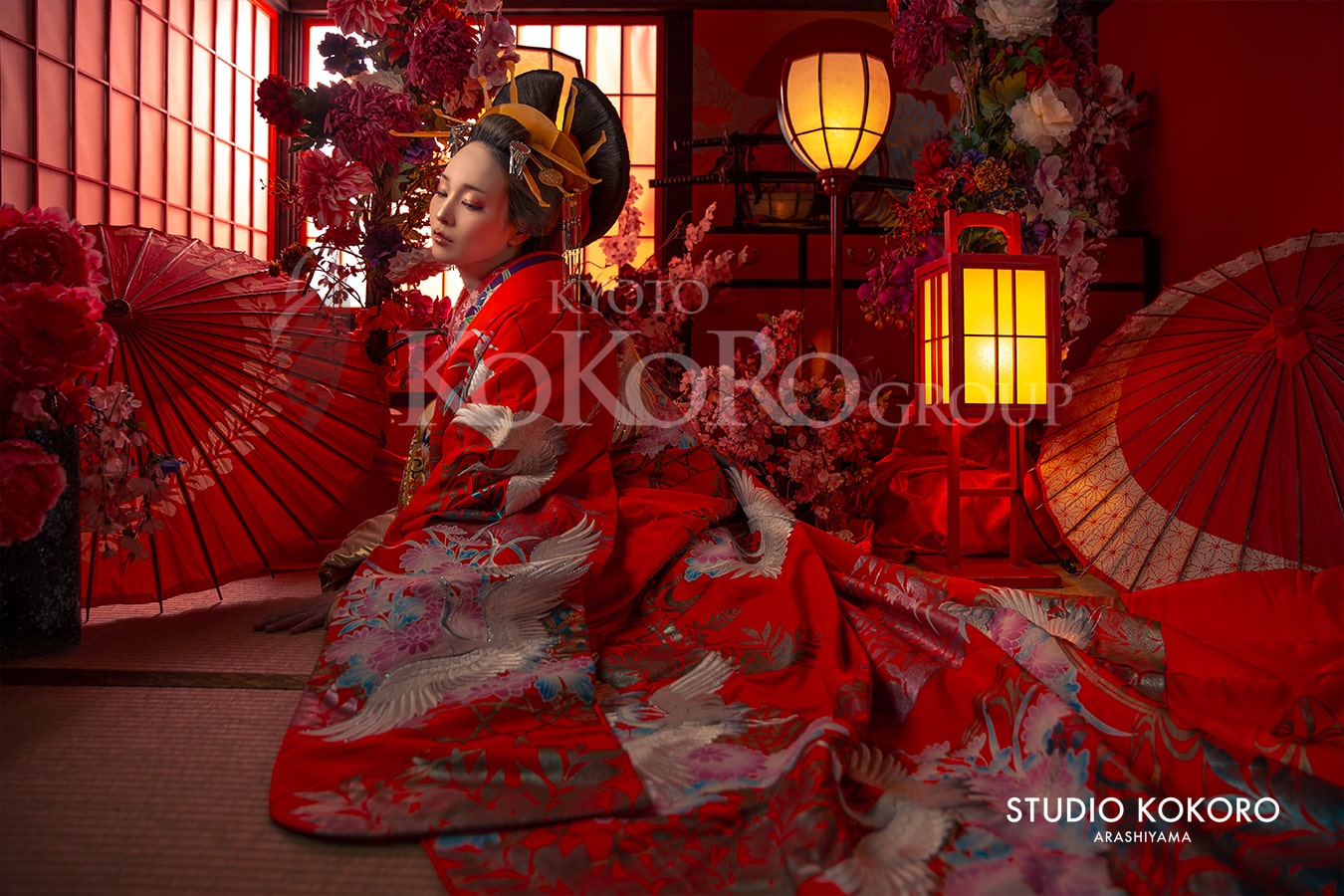
■ What is an Oiran?
A Cultural Guide for Visitors to Kyoto
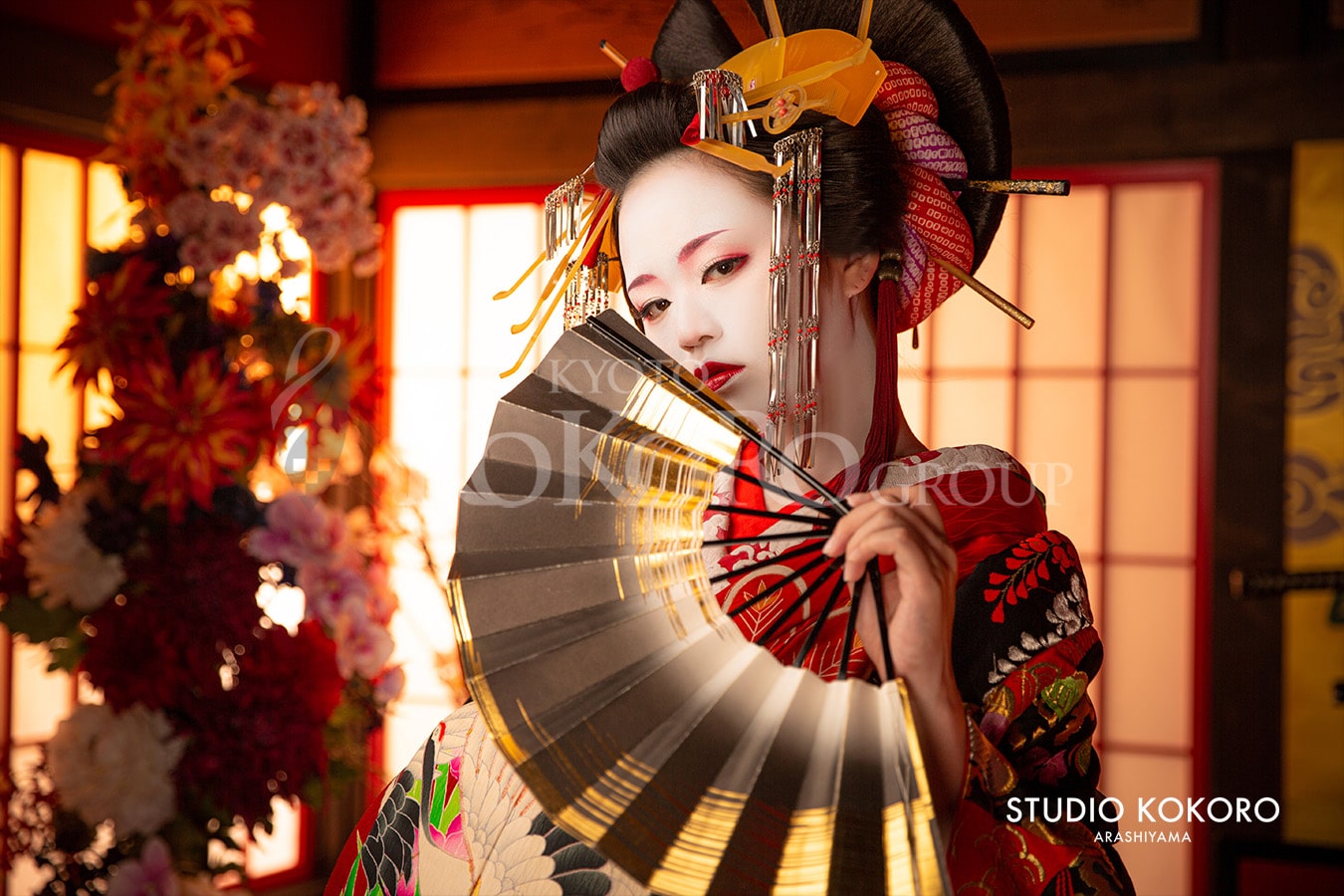
Oiran were the highest-ranking courtesans in Japan’s licensed pleasure quarters.
They were not simply entertainers, but highly cultivated women who combined beauty with advanced education and cultural refinement.
During the Edo period, courtesans were ranked according to a strict hierarchy, with the highest rank originally called “Tayu.”
However, in Edo and the Yoshiwara district, the Tayu disappeared after the Horeki era, and high-ranking courtesans came to be known as “Oiran.”
■ Education Beyond Beauty
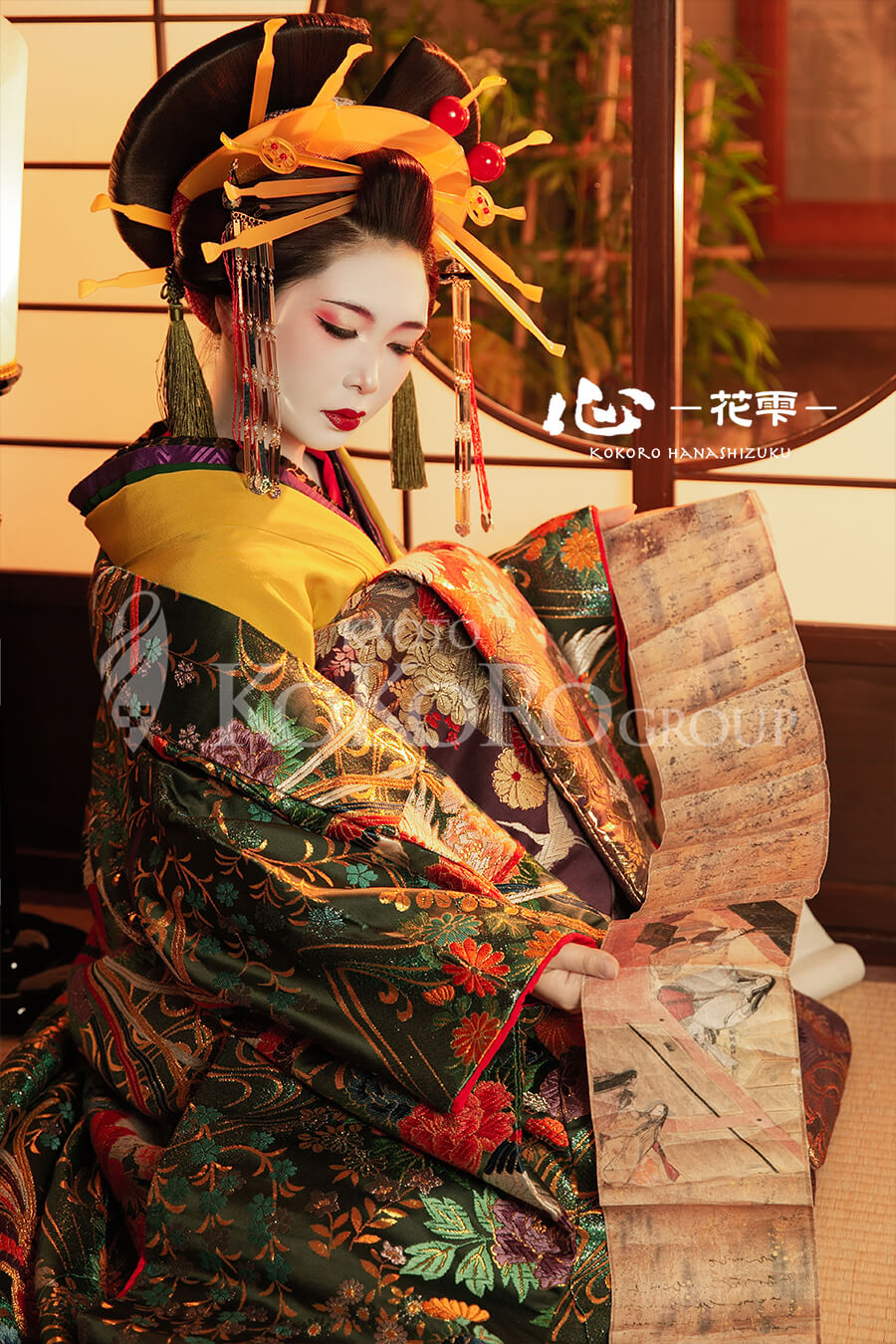
From a young age, they were raised as kamuro (apprentice attendants) and trained in various traditional arts and cultural practices.Their education typically included:
Classical literature
Calligraphy
Tea ceremony
Japanese poetry (waka)
Music, including koto and shamisen
Intellectual games such as go
This training enabled Oiran to provide sophisticated entertainment and meaningful conversation for their patrons.
■ Status and Position of Oiran
Becoming an Oiran was not something anyone could achieve; it required substantial financial resources and a strong background.
Thus, ordinary people rarely had direct contact with Oiran.
Oiran also maintained their own private rooms, supported by attendants known as kamuro and shinzo.
In seating arrangements, Oiran would occupy the upper seat while guests were seated below, clearly signaling their superior social standing.
■ The Origin of the Name “Oiran”
The name “Oiran” has several theories regarding its origin, but the most widely accepted explanation comes from the language used by courtesans themselves.
Lower-ranking courtesans reportedly referred to higher-ranking ones as:
“Oiran no tokoro no neesan”
(roughly, “the elder sister of our group”),
which eventually evolved into the term “Oiran.”
This term was used not only among courtesans, but also by their clients and household staff.
■ Oiran Culture and Its Connection to the Present
Oiran were not merely courtesans, but cultural icons representing Edo-period aesthetics and refinement.
Their image has been preserved in ukiyo-e and nishiki-e woodblock prints,
and continues to captivate people today through films, novels, and manga.
■ Experiencing Oiran Culture in Kyoto
Today, it is possible to experience Oiran culture in a modern context in Kyoto.
For first-time participants, we recommend [KOKORO-Hanashizuku-], a professional studio offering a variety of plans that are easy to choose from.
With a wide range of prices and styles, participants can select an experience that suits them, making it accessible and enjoyable even for beginners.
■ Oiran Experiences Across the Kyoto KOKORO Group
The Kyoto KOKORO Group offers a variety of Oiran experiences tailored to different interests:
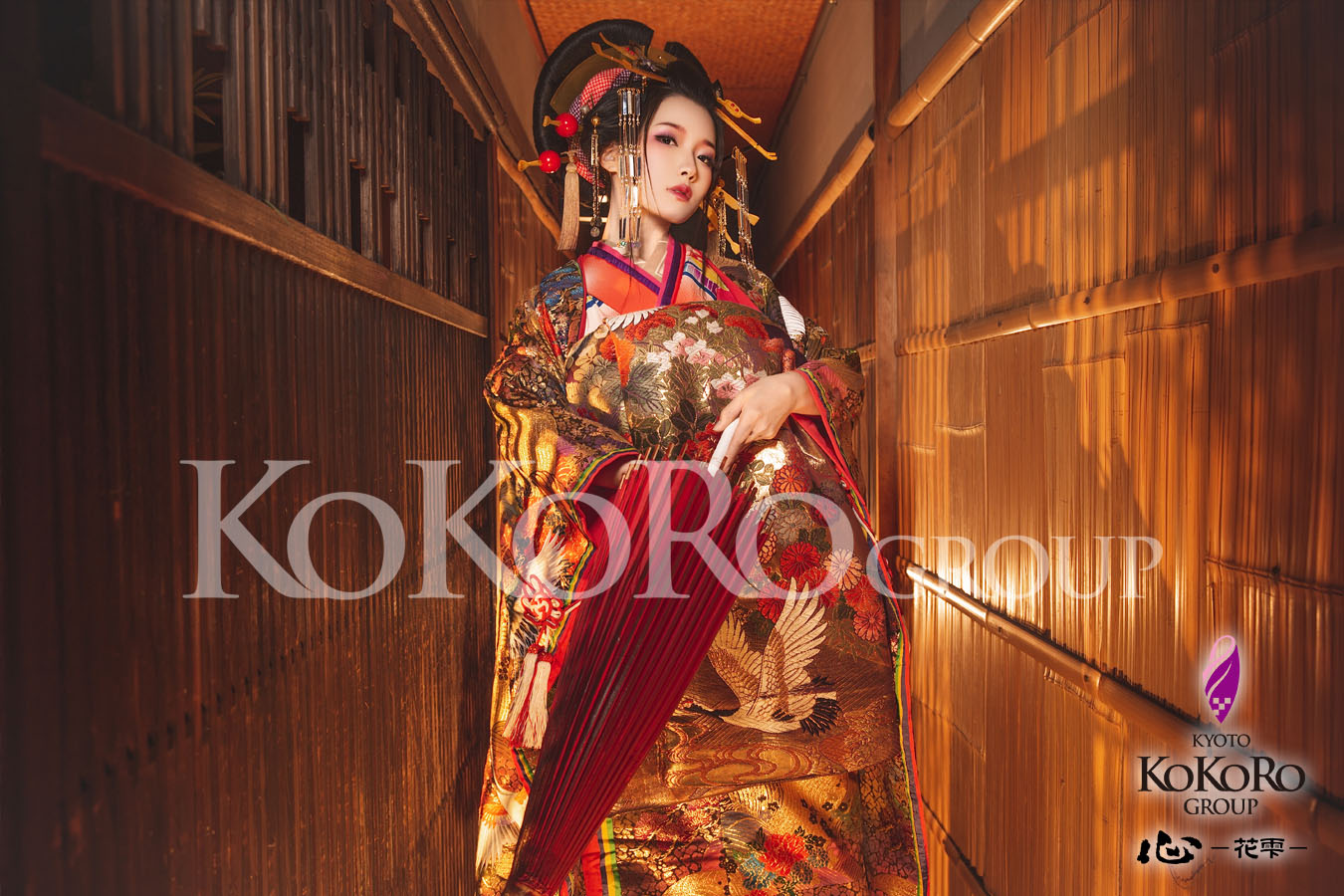
→ KOKORO-Hanashizuku-
Offers a wide range of plans, from beginner-friendly to authentic classical Oiran experiences
Located in a traditional Kyoto neighborhood, preserving the charm of old Kyoto
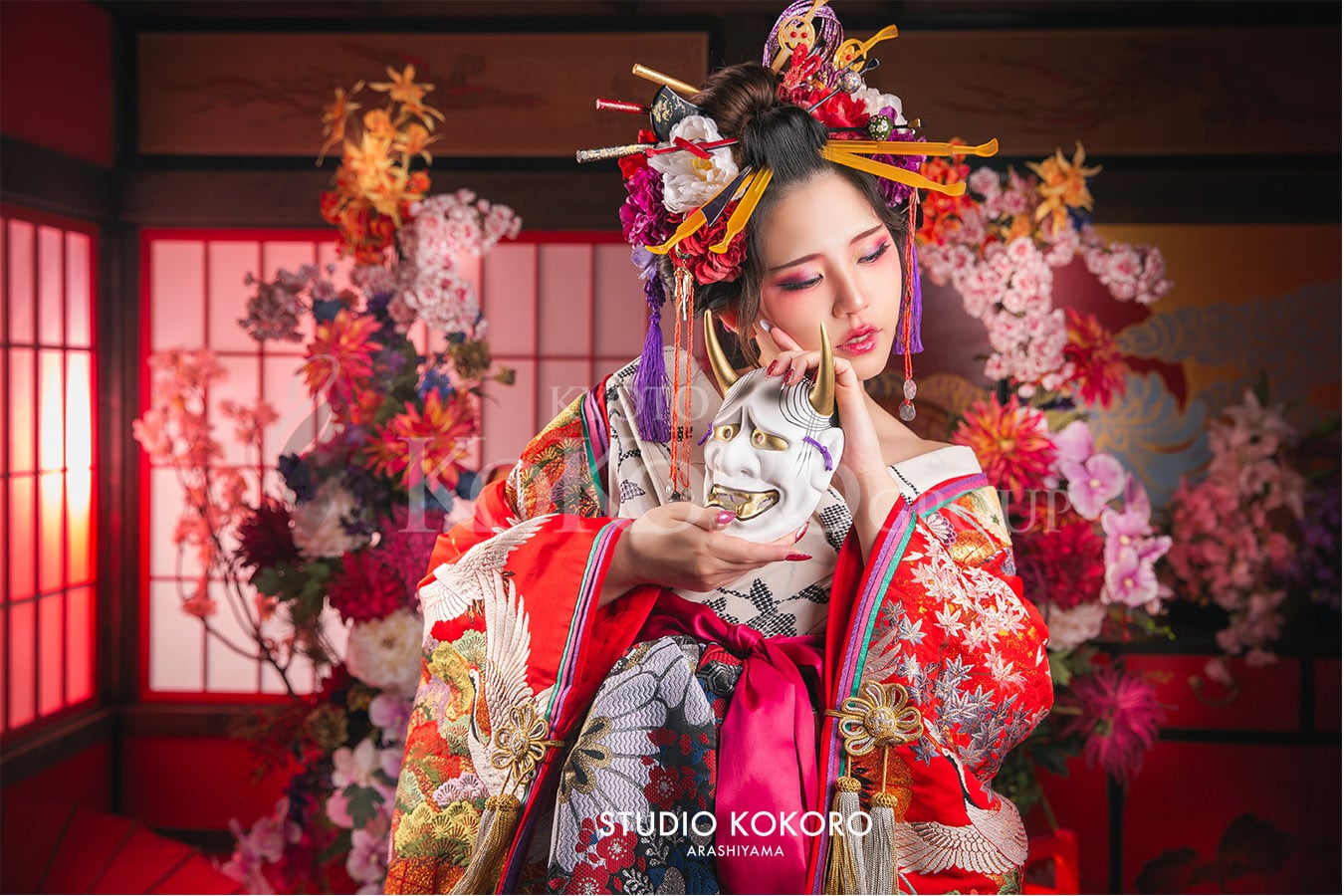
→ STUDIO KOKORO ARASHIYAMA
After your Oiran experience, enjoy the natural beauty of Arashiyama, Kyoto
Offers a variety of styles beyond Oiran, including Yokai, Shinsengumi, and Maiko plans
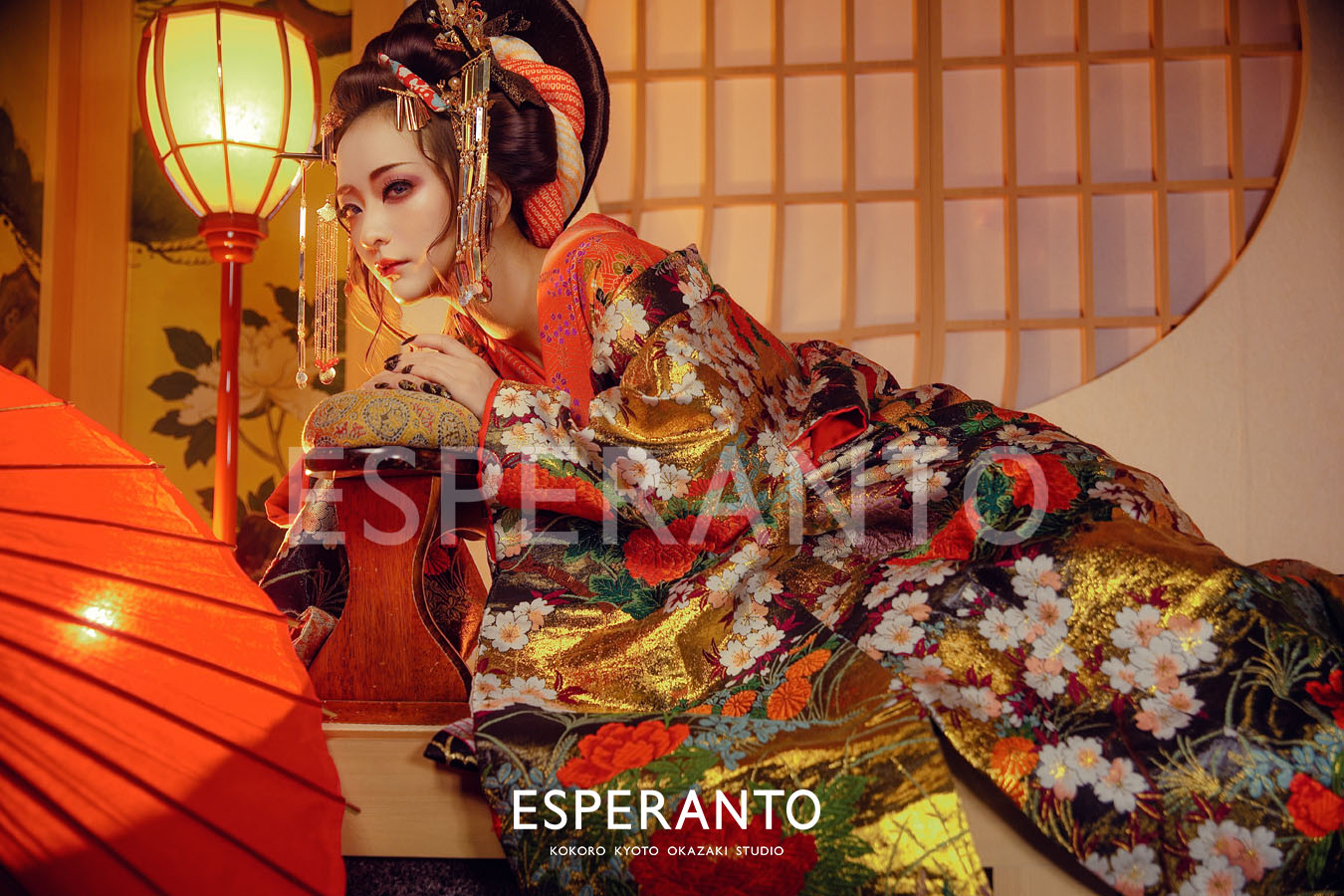
→ ESPERANTO KOKORO Kyoto Okazaki Studio / Esperanto KOKORO Minami-Aoyama Studio
Enjoy modern adaptations of Oiran-themed Ukiyo-style experiences
Recommended for those who enjoy artistic, original, or highly customized styles
■ Understanding Oiran Enhances the Experience
Oiran were not merely figures of beauty, but symbols of Edo-period culture and refinement.
By learning about their history and aesthetics, modern participants can gain a deeper and richer appreciation of the Oiran experience.
Relatedあわせて読みたい記事